
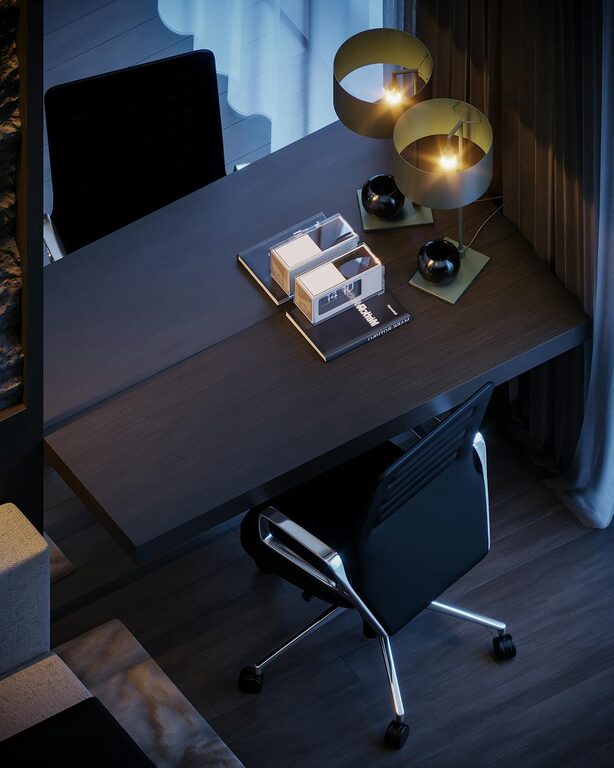
Creating a cozy and functional home office space is essential for anyone working remotely or managing tasks from home. A well-designed workspace boosts productivity, reduces stress, and helps separate work from personal life. Here are practical tips to help you transform any corner into a comfortable and efficient home office.
Choose the Right Location
Selecting the right spot for your home office is the first step toward creating a productive environment.
– Quiet and Private: Pick an area with minimal distractions. A spare room, a corner in the bedroom, or a quieter section of the house are good options.
– Natural Light: Position your desk near a window if possible. Natural light improves mood and reduces eye strain.
– Away from High Traffic: Avoid areas with frequent household activity to maintain focus throughout the day.
Invest in Ergonomic Furniture
Comfort is key when it comes to long hours of work. Ergonomic furniture supports your posture and prevents discomfort.
– Ergonomic Chair: Look for adjustable chairs with good back support.
– Desk Height: Ensure your desk is at a comfortable height for typing and writing.
– Footrest and Accessories: Consider a footrest or ergonomic keyboard and mouse to avoid strain.
Organize with Storage Solutions
Clutter can cause distractions. Effective storage keeps your workspace tidy and helps you find what you need quickly.
– Shelves and Cabinets: Use vertical space to store books, folders, and office supplies.
– Drawer Organizers: Keep small items like pens, paper clips, and chargers neatly organized.
– Cable Management: Use clips or cable boxes to prevent wires from tangling.
Pay Attention to Lighting
Good lighting reduces eye strain and sets the right atmosphere for work.
– Layered Lighting: Combine ambient light with task lighting such as desk lamps.
– Adjustable Lamps: Opt for lamps with adjustable brightness and color temperature.
– Avoid Glare: Position screens perpendicular to windows to reduce glare.
Personalize Your Space
Adding personal touches makes your office inviting and boosts creativity.
– Artwork and Photos: Decorate with inspiring images or family photos.
– Plants: Small indoor plants improve air quality and add a touch of nature.
– Colors: Use colors that motivate you; blues and greens are calming, while yellows can encourage energy.
Maintain a Technology Setup That Works for You
Ensure your tech setup supports your workflow smoothly.
– Reliable Internet: A fast, stable internet connection is essential.
– Multiple Monitors: Consider more than one screen to manage tasks easily.
– Organize Devices: Keep chargers, printers, and other devices nearby but out of the way.
Establish Boundaries and Routines
Creating habits and boundaries helps maintain balance and focus.
– Set Office Hours: Define clear start and end times to your workday.
– Separate Work and Relaxation: When possible, use your office only for work to signal your brain to focus.
– Breaks and Movement: Schedule regular breaks to stand, stretch, or walk around.
Keep It Clean and Clutter-Free
A clean workspace promotes a clear mind.
– Regular Cleaning: Dust and wipe surfaces weekly.
– Minimalism: Keep only essential items on your desk.
– Daily Tidy-Up: Spend a few minutes at the end of each day organizing your space.
Consider Sound Control
Managing noise can increase concentration.
– Noise-Canceling Headphones: Great for blocking distractions.
– Soft Furnishings: Add rugs, curtains, or cushions to absorb sound.
– White Noise Machines or Apps: These can help mask disruptive noises.
Final Thoughts
Designing a home office that blends comfort with functionality is achievable with mindful planning and organization. Taking small steps such as choosing the right location, investing in ergonomic furniture, and personalizing your workspace can make a big difference in your work experience. Remember, a cozy and efficient office isn’t just about looks—it’s about creating an environment that supports your best work every day.