
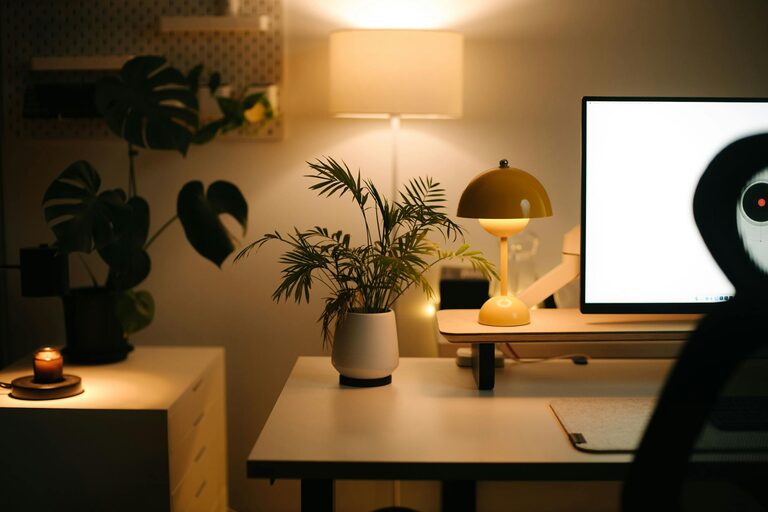
Creating a relaxing home workspace is essential for maintaining focus, reducing stress, and boosting productivity. Whether you work remotely full-time or occasionally need a quiet spot to complete tasks, a well-designed workspace can make all the difference. In this post, we’ll explore simple yet effective tips to help you create a comfortable, calming home office environment that inspires productivity.
Why a Relaxing Workspace Matters
Your immediate surroundings have a strong impact on your mood and efficiency. A cluttered, noisy, or uncomfortable workspace can increase distractions and fatigue, making it harder to concentrate. On the other hand, a peaceful, organized space encourages a clear mind and sustained productivity. Designing a workspace that feels relaxing isn’t just about aesthetics — it’s about creating the right conditions to do your best work.
Choosing the Right Spot in Your Home
Start by selecting the best location for your workspace. Ideally, this should be a quiet corner or room with minimal foot traffic and distractions.
– Natural light: Position your desk near a window to benefit from natural light. Exposure to daylight improves mood and reduces eye strain.
– Privacy: Choose a spot where you can close the door or use room dividers if needed, to separate work from home life.
– Ventilation: Good airflow and fresh air are refreshing and help keep your focus sharp.
Ergonomic Furniture for Comfort
Comfort plays a key role in staying productive during long work hours.
– Chair: Invest in an ergonomic chair that supports your back and promotes good posture. Avoid soft sofas or dining chairs that can cause discomfort.
– Desk: Select a desk with enough surface space for your computer, notes, and other essentials. Adjustable desks or standing desk options are great for varying your posture.
– Monitor height: Ensure your computer monitor is at eye level to reduce neck strain. Monitor stands or stacks of books can help adjust the height.
Declutter and Organize Your Space
A clutter-free workspace reduces distractions and helps you focus better.
– Storage solutions: Use shelves, drawers, or organizers to keep supplies neatly stored and out of sight.
– Daily tidying: Spend a few minutes at the end of each day clearing your desk to start fresh the next morning.
– Digital declutter: Organize your digital files and keep your desktop clean for a clear mental space.
Choose Calming Colors and Decor
Colors and decor can influence your mood and energy levels.
– Color palette: Soft neutrals, pastels, and natural tones like greens and blues can have a calming effect.
– Plants: Adding a few plants brings life to your workspace and purifies the air.
– Personal touches: Display a photo, artwork, or item that inspires you without cluttering the desk.
Control Noise and Distractions
Reducing noise helps maintain focus.
– Noise-canceling headphones: These can block out distracting sounds or allow you to listen to soothing music.
– White noise or nature sounds: Consider playing gentle background sounds to drown out interruptions.
– Communicate boundaries: Let household members know your working hours to minimize disruptions.
Lighting for Productivity
The right lighting reduces eye strain and keeps you alert.
– Task lighting: Use adjustable desk lamps that focus light where you need it.
– Avoid glare: Position your monitor and lighting to avoid reflections on your screen.
– Balance: Combine ambient lighting with task lighting for a comfortable environment.
Maintain Good Air Quality and Temperature
A fresh and comfortable atmosphere improves concentration.
– Air purifiers or plants: Help maintain clean air, especially in rooms without good ventilation.
– Temperature control: Keep the room at a comfortable temperature, generally between 68–72°F (20–22°C).
– Humidity: Use a humidifier if air feels too dry, especially in winter.
Take Breaks and Move
Even the best workspace can’t replace good habits.
– Scheduled breaks: Use reminders to stand up, stretch, or take a short walk every hour.
– Move your body: Regular movement refreshes your mind and prevents fatigue.
Final Thoughts
Designing a relaxing home workspace is about blending comfort, organization, and personalization to create an environment that supports your best work. Small changes like improving lighting, adding plants, or decluttering can have a big impact on your mood and productivity. Take the time to set up a space that feels inviting yet professional, and watch your focus and efficiency grow.
—
By thoughtfully creating your workspace, you’ll find it easier to separate work from home life, stay motivated, and enjoy your workday more. Remember, the key is to keep your space comfortable, clutter-free, and tailored to your needs.